Ajar Artificial Intelligence Logo

The Philosophy & Practice of AI

Turing, Prompting, and the AI Company Blueprint

The Moment Everything Changed

In March 2016, something unprecedented happened. AlphaGo, an AI developed by DeepMind, defeated Lee Sedol—one of the greatest Go players in history—4-1 in a five-game match.

Go is not chess. It has more possible positions than atoms in the universe. For decades, experts believed mastering Go would require human-like intuition, creativity, and strategic depth.

They were wrong.

Go Game

Move 37: The Birth of AI Creativity

In Game 2, AlphaGo played "Move 37"—a move so unconventional that expert commentators initially dismissed it as a mistake.

It wasn't. Move 37 ultimately won the game. More importantly, it revealed that AI could do something experts thought impossible: discover strategies that humans had never considered.

This wasn't just pattern matching. This was emergence—a system generating novel solutions that surprised even its creators.

Move 37
"Move 37 showed that AI was not just learning from humans. It was learning beyond them."

From Turing to Transformers

The Turing Vision (1950)

Alan Turing asked a deceptively simple question: "Can machines think?" He proposed the Imitation Game—later called the Turing Test—as a way to sidestep philosophical debates and focus on behavior.

For 70 years, this remained largely theoretical. Then came Large Language Models.

The Transformer Revolution (2017-Now)

The "Attention Is All You Need" paper introduced the transformer architecture. GPT, Claude, and their successors followed. Suddenly, machines could:

  • Generate coherent, contextual text
  • Reason through complex problems
  • Adapt to new domains with minimal examples
  • Engage in nuanced conversation
AI Prediction

The Art of Prompting

Working with LLMs is not programming in the traditional sense. It's more like directing—guiding an intelligent system toward the outcome you want.

Key prompting principles:

  • Be Specific: Vague inputs produce vague outputs. Define exactly what you need.
  • Provide Context: The model doesn't know what you know. Share relevant background.
  • Structure Your Requests: Break complex tasks into clear steps.
  • Iterate: First drafts are rarely final. Refine through dialogue.
Navigation

The Four Fundamental Operations

Most tasks you give an LLM fall into one of four categories. Understanding these helps you craft better prompts:

1. Summarising

Distilling large volumes of text into key points. The power lies in focused summarisation—extracting specific angles rather than just "less text."

Example: "Summarise this complaint with a focus on shipping issues only."

2. Inferring

Reading between the lines. Sentiment analysis, entity extraction, topic modelling—tasks that used to require specialized models can now be handled via simple prompts.

Example: "Is this review positive or negative? Extract the product name."

3. Transforming

Changing form without changing meaning. Translation, tone conversion, format conversion—the conveyor belt of information processing.

Example: "Convert this paragraph into a clean JSON object."

4. Expanding

Generating longer text from shorter inputs. The model as creative partner. Be careful: this is where "hallucinations" can creep in if you don't constrain the model to provided facts.

Example: "Draft a polite email explaining the delay and offering 10% discount."

Remember: The AI is a tool, not an oracle. Your judgment remains essential.

The Agent Economy

We're now entering the era of AI agents—systems that don't just respond to queries, but take actions, use tools, and pursue goals autonomously.

This creates new possibilities:

  • Agents that research and synthesize information
  • Agents that manage workflows and coordinate tasks
  • Agents that interact with external systems and APIs
  • Agents that collaborate with other agents

The Model Context Protocol (MCP) is one framework for building these agentic systems.

Agent Economy

The AI Company Blueprint

Andrew Ng's vision of the "Truly AI Company" involves four pillars:

  1. Strategic Data Acquisition — Plan today for tomorrow's capabilities
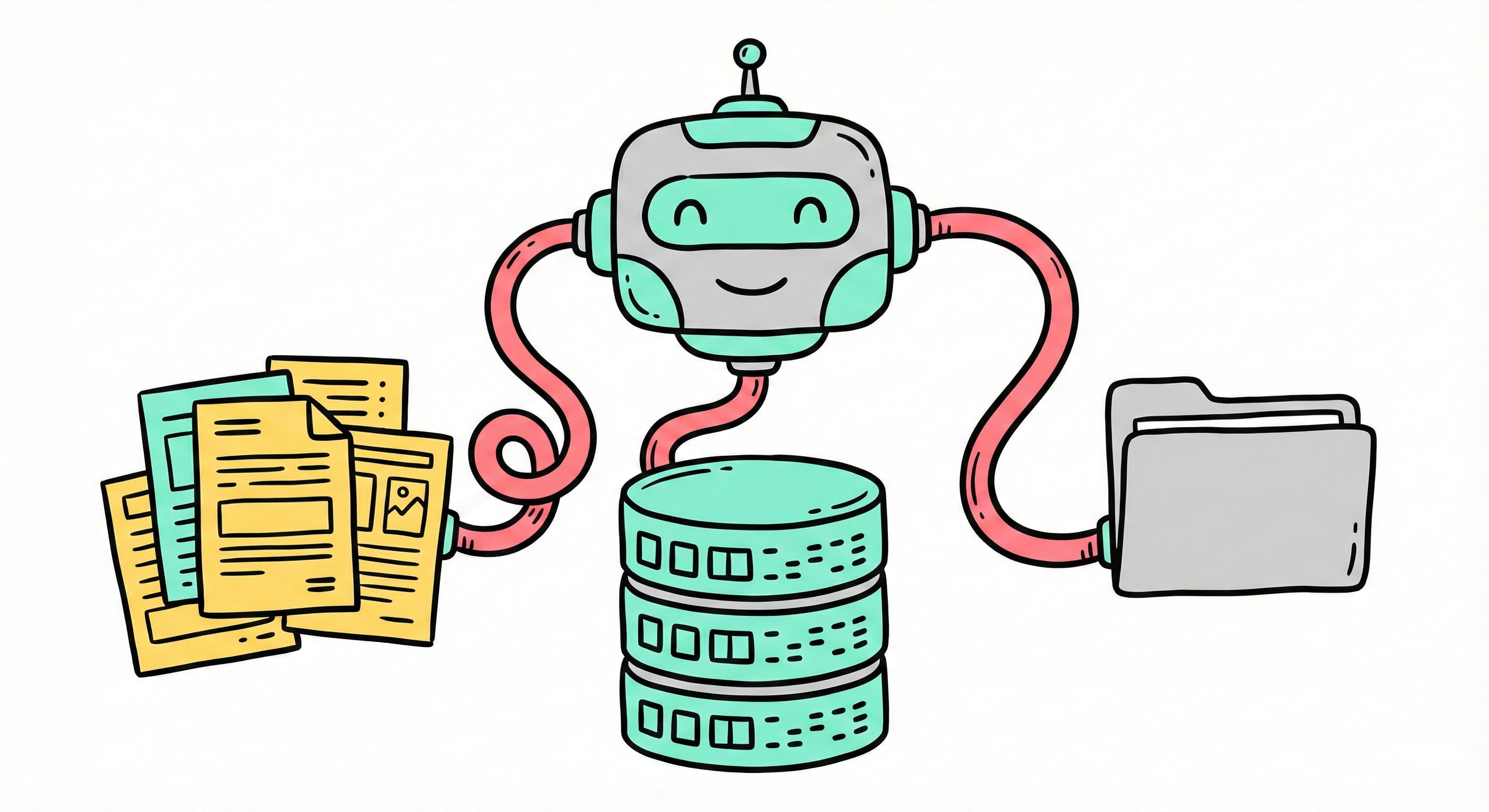
  2. Unified Data Warehouse — Break down silos, centralize knowledge
  3. Pervasive Automation — Automate the routine, free the humans
  4. New Job Descriptions — Human + AI, not Human vs. AI

This isn't just about adding AI tools. It's about restructuring your organization around the flow of data and intelligence.

AI Company Blueprint

The Partnership Principle

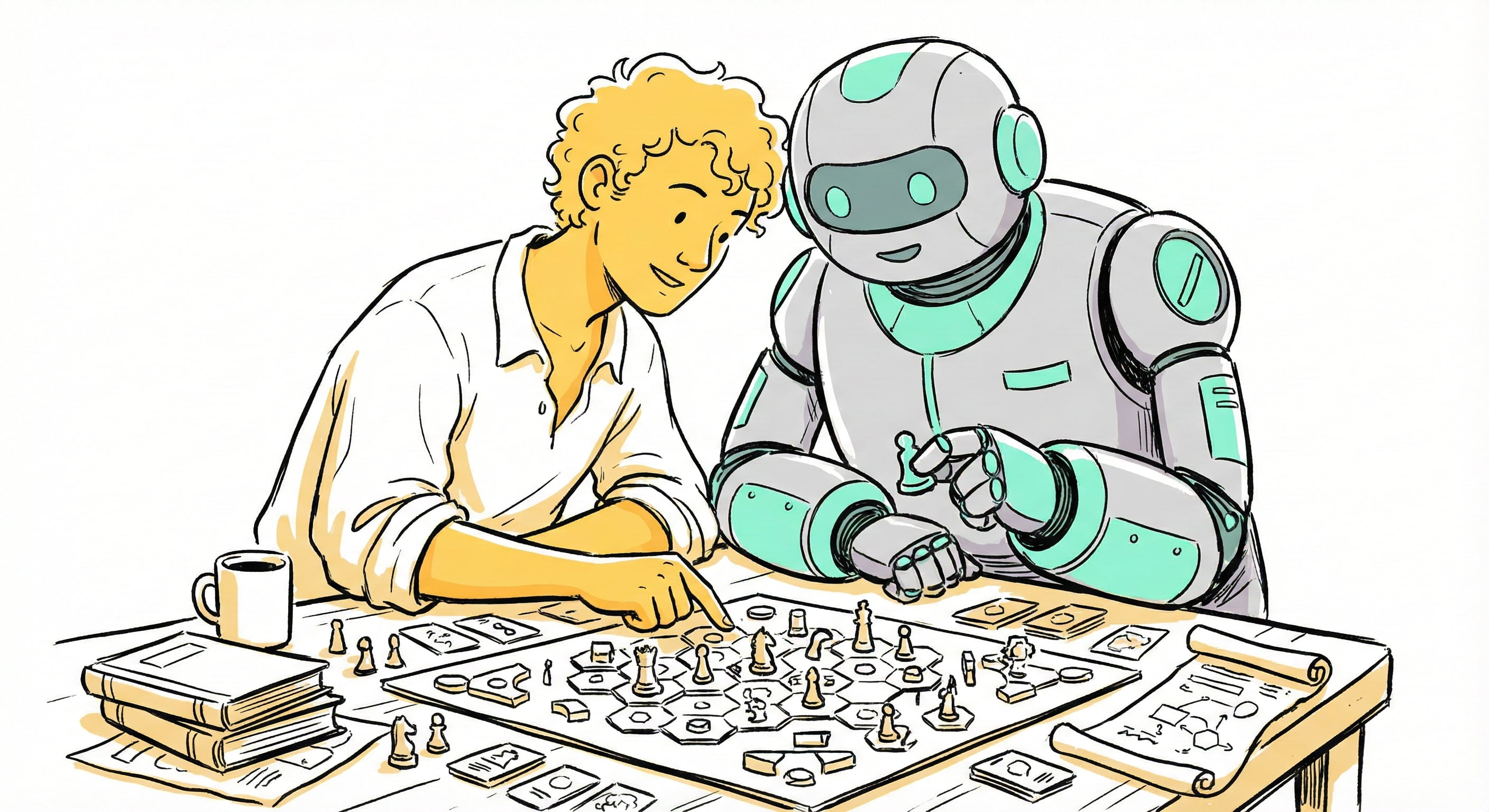
The goal is not replacement. It's augmentation.

AI excels at: pattern recognition, information retrieval, consistency, scale, speed.

Humans excel at: judgment under uncertainty, ethical reasoning, creativity, empathy, wisdom.

The future belongs to those who can combine both—leveraging machine capabilities while cultivating distinctly human skills.

Human-AI Partnership
"The question is not whether AI will change your industry. It's whether you'll be ready when it does."

Your Next Steps

Schedule a Consultation